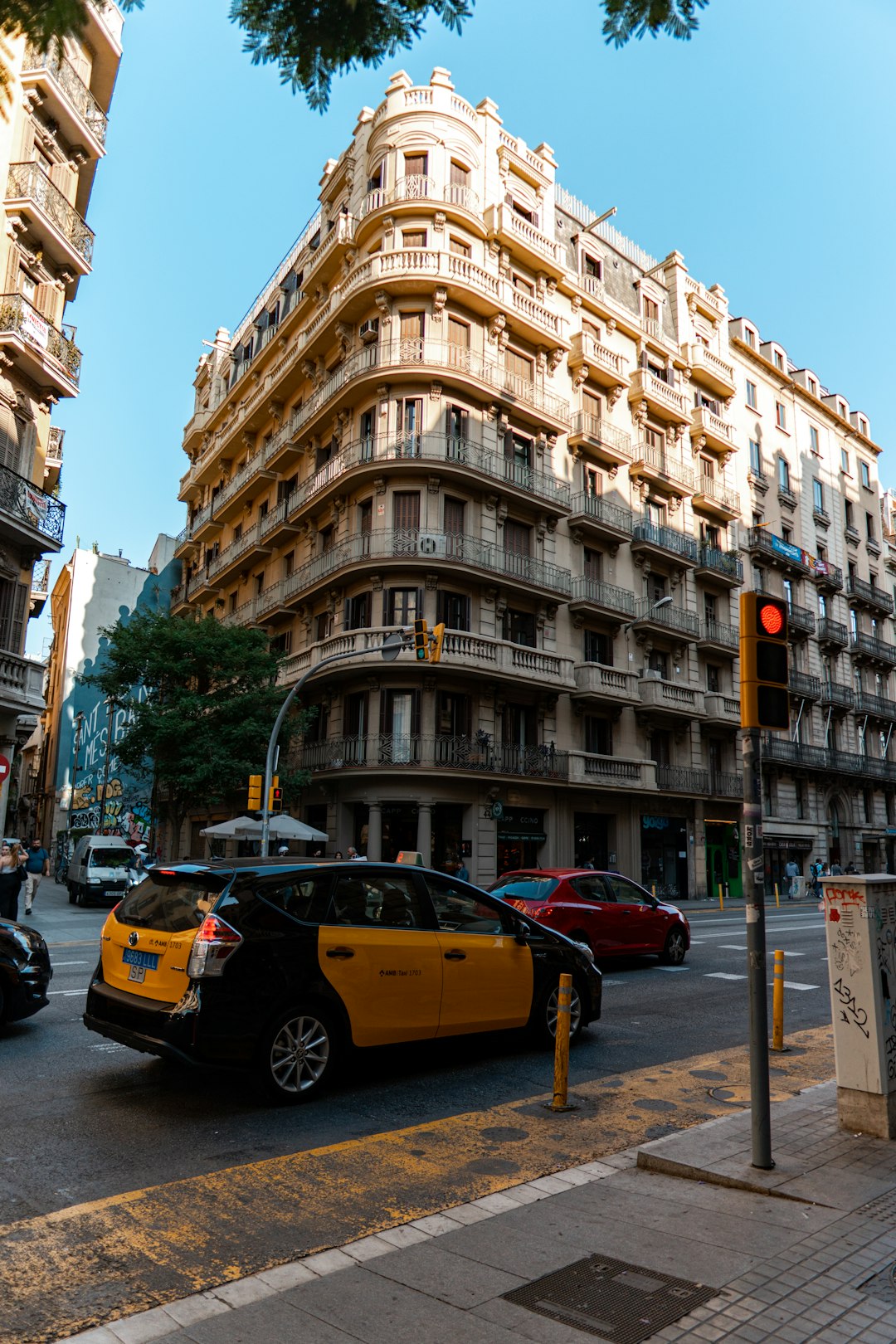

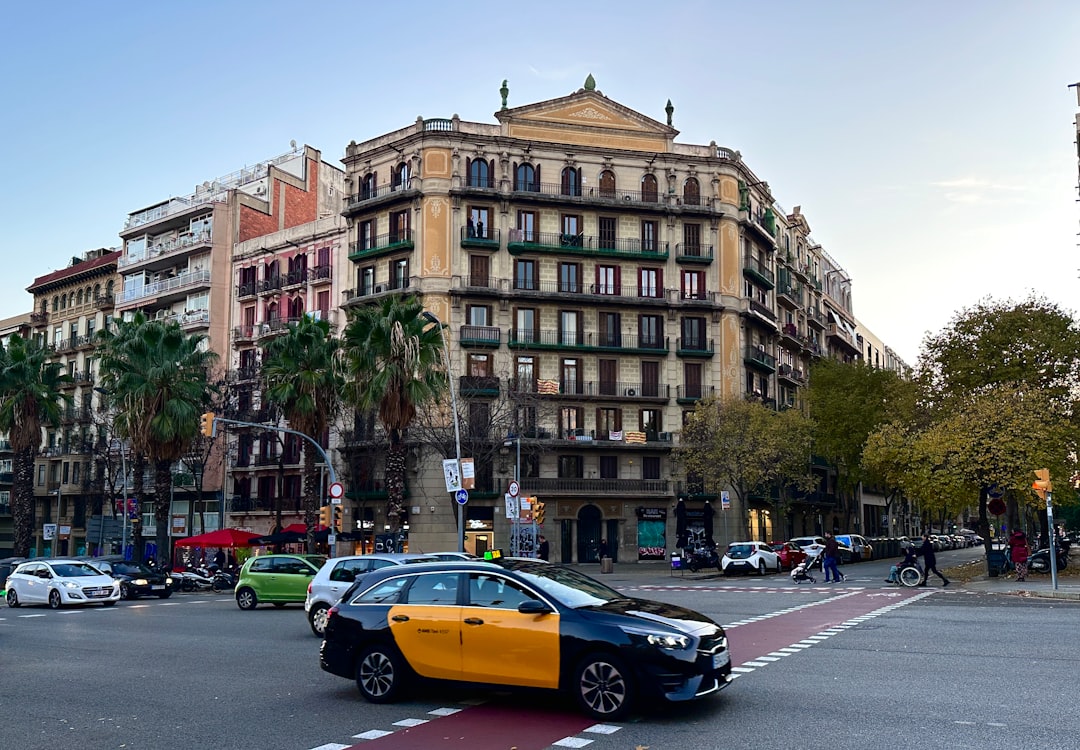
Who regulates taxi fares in the metropolitan area
The taxi service in Barcelona and the 35 municipalities of the metropolitan area is regulated by the Metropolitan Taxi Institute (IMET), a body of the AMB. Every year IMET approves fares, surcharges and service conditions, and supervises compliance with technical and identification requirements. This means that the price you pay in any official taxi follows a public, verifiable fare schedule.
How a journey is priced
A traditional taxi journey combines three elements: a flag-fall charge applied at the start, a per-kilometre rate, and a per-hour rate for waiting or very slow traffic. The exact tariff depends on the time of day and day of the week. T1, T2 and T3 differentiate between weekday daytime, weekday night-time, and weekends or public holidays. Specific surcharges may be added on top.
Main surcharges on the metropolitan taxi
The most common surcharges cover the airport, the port, the Fira Barcelona venues during major trade fairs, train and bus stations, and bulky luggage. There is also a small surcharge for travelling with pets (except guide dogs, which always travel free) and night-time surcharges in specific bands. All these amounts are published inside the vehicle, next to the meter.
Flat fares for long journeys
For certain predictable trips, IMET sets a closed price regardless of traffic or time taken. This applies to airport-centre and airport-port transfers, where the passenger knows the exact amount before boarding. When a service is booked outside the metropolitan area, such as a day trip to Montserrat or a transfer to Sitges, fleets usually offer closed fares agreed at booking, so the meter does not keep running during traffic jams or stops.
What about card payments
All taxis in the metropolitan area are required to accept card payments with no surcharge. If the card terminal fails, the driver is expected to find an alternative so the passenger is not harmed. Other channels such as Apple Pay and Google Pay are increasingly common, especially within fleets that integrate online booking.
Invoices, complaints and your rights
Any user can request an invoice from the driver at the end of the trip. For complaints, the ticket or invoice carries the licence number and identifying details of the taxi, which allows you to file a complaint directly with IMET. In practice, incidents are rare: the fare system is transparent and professional fleets keep service standards high.
Practical tips to optimise cost
Before a long journey, ask whether a flat fare is available. For short journeys in rush hour, expect part of the time to be charged as waiting because of dense traffic on Diagonal or Gran Via. In groups of four or more, the cost per person tends to be very competitive against public transport with luggage, especially outside metro hours. And always make sure the meter has been activated at the start of the journey: it is the guarantee that the price matches the official tariff.